
Think about your favorite artist for a second. Not just their music, but everything around it. The way they dress. The themes they keep coming back to in their lyrics. The energy they bring to a live show. The colors and visuals in their videos.
Now think about why you connect with them so deeply.
It's not random. It's not just "good music." There's something underneath it all that feels familiar, almost like they're speaking a language your brain already knows. A story pattern that resonates on a level you can't quite explain.
Carl Jung figured out why back in the early 20th century. He called them archetypes, and they might be the most underrated tool in a musician's creative toolkit.
So What Are Archetypes, Exactly?
Jung was a Swiss psychiatrist who spent his life studying the unconscious mind. One of his biggest discoveries was that across every culture, every civilization, every era of human history, the same character types kept showing up in stories, myths, rituals, and dreams.
A wise mentor. A rebellious outsider. A pure-hearted innocent. A charismatic transformer.
He called these archetypes: universal patterns that live in the collective unconscious, the part of the human psyche we all share regardless of where or when we were born. They're not learned. They're wired in.
When an artist taps into one of these archetypes, something clicks. The audience doesn't just like the music. They feel it. Because the archetype is speaking directly to something primal in them.
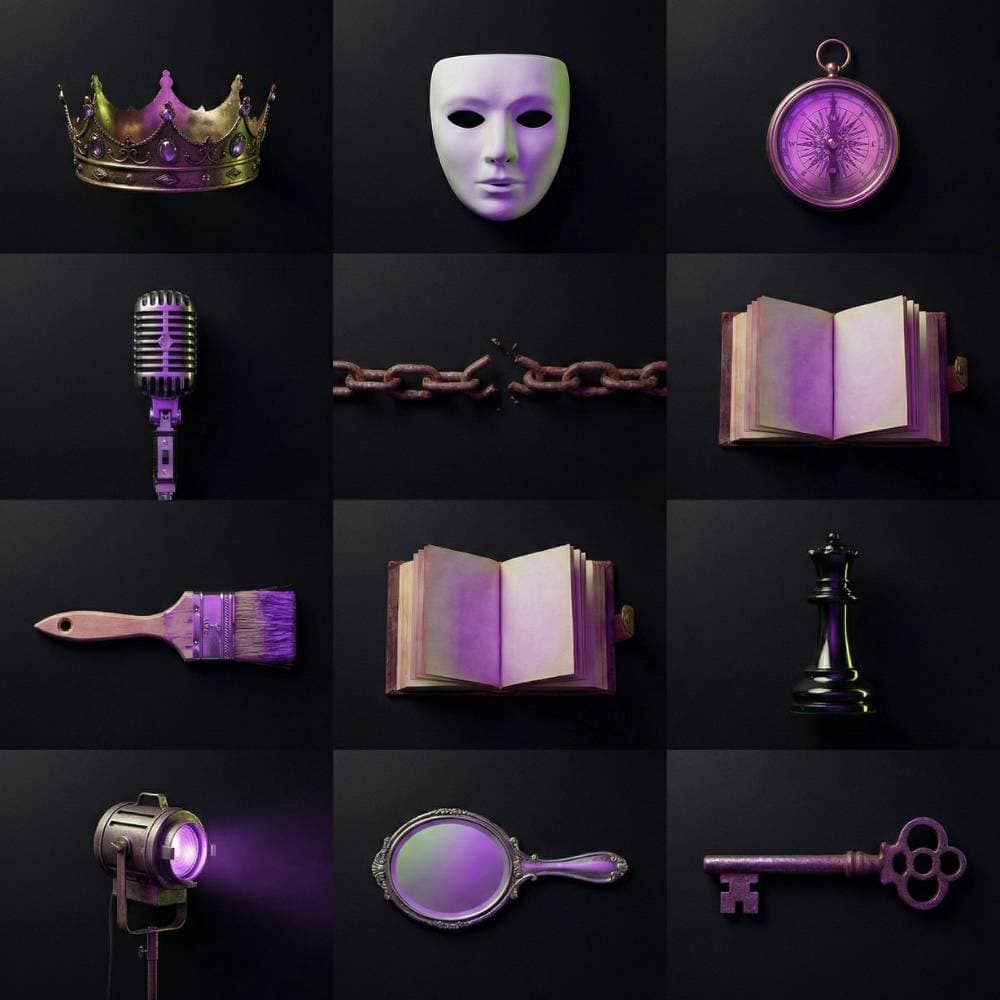
There are 12 core archetypes. Here's how they translate to music. 🎵
The 12 Archetypes and Where You've Heard Them
The Innocent 🌸 Pure, hopeful, and romantic. The Innocent believes the world is good and writes music that makes you feel like summer afternoons and first love. Think dreamy production, nostalgic lyrics, warmth everywhere. This archetype attracts audiences who want to feel safe and uplifted by music.
Examples: Vance Joy, early Taylor Swift.
The Sage 📖 The Sage is on a quest for truth and wants to bring you along. Philosophical lyrics, music that makes you think, themes around meaning, wisdom, and understanding. Music that makes you feel smarter and more connected to the world after listening.
Examples: Oh Hellos, Bob Dylan.
The Explorer 🧭 Restless, individualistic, always searching for something just beyond the horizon. The Explorer's music feels wide open, like road trips and new cities and possibilities. The music feels like it was made in wilderness, away from everything familiar.
Examples: Bon Iver, Tame Impala.
The Rebel (Outlaw) 🔥 Disruptive, raw, and unapologetically anti-establishment. The Rebel tears down structures and challenges the status quo. This isn't just punk music. The common thread is the refusal to conform. Rebel artists attract audiences who feel like outsiders.
Examples: Rainbow Kitten, Rage Against the Machine.
The Magician ✨ Visionary and transformative. The Magician doesn't just make music, they create entire worlds. High concept visuals, transformative live experiences, music that feels like it bends reality a little. The Magician's audience doesn't just listen, they surrender to the experience.
Examples: Radiohead, Muse.
The Hero 🏆 Triumphant, confident, and courageous. The Hero's music makes you feel like you can conquer anything. Anthems. Fight songs. Big choruses built for stadiums. Hero artists speak to ambition and the human drive to overcome obstacles.
Examples: Jay-Z, Kendrick Lamar.
The Lover ❤️ Intimate, passionate, and emotionally raw. The Lover lives in vulnerability and desire. Music that makes you feel every emotion in your chest. This goes beyond love songs as a genre. It's an entire sensibility around deep emotional connection.
Examples: Frank Ocean, Lana Del Rey.
The Jester 😄 Playful, chaotic, and refusing to take anything too seriously. The Jester makes you smile and feel light. But great Jester artists aren't shallow, they use humor and irreverence to say things other archetypes can't. The Jester's audience wants joy without pretension.
Examples: Milky Chance, Gorillaz.
The Everyman 🤝 Real, honest, and completely unpretentious. The Everyman makes music that feels like it was made by someone sitting next to you, not a distant celebrity. The Everyman connects through radical relatability. Their audience says "this is exactly how I feel" and feels seen.
Examples: Fred Again, Tyler Childers.
The Caregiver 🌿 Warm, nurturing, and healing. The Caregiver's music exists to comfort and soothe. It holds space for pain without amplifying it. The Paper Kites operate here. So does Phoebe Bridgers in her gentler moments. This archetype attracts listeners going through something hard who need music that feels like a hand on their shoulder.
Examples: The Paper Kites, Dolly Parton.
The Ruler 👑 Commanding, polished, and authoritative. The Ruler doesn't ask for attention, they demand it. There's a control and precision to everything: the music, the visuals, the public persona. The Ruler creates a world and invites you in on their terms.
Examples: Beyoncé, Madonna.
The Creator 🎨 Innovative, boundary-pushing, and endlessly experimental. The Creator is less interested in connecting emotionally and more obsessed with making something that has never existed before. Daft Punk defined this for a generation. Björk has lived here her entire career. Creator artists attract audiences who are passionate about music as art, not just entertainment.
Examples: Daft Punk, David Bowie.
Why This Actually Matters for Your Career
Here's the problem most independent artists run into: their music sounds like one thing, their visuals look like another, their social media feels like a third person entirely, and their live show is something else altogether. The audience gets confused. And confused audiences don't become loyal fans.
Archetypes give you guidance for every creative decision.
In your songwriting 🎸
Your archetype tells you what themes to lean into and which ones feel off-brand. A Rebel writing a song about gratitude for simple pleasures doesn't land right. An Innocent writing a rage-filled protest anthem feels jarring. But a Hero writing about overcoming adversity? A Caregiver writing about loss and healing? That's alignment, and alignment is where authenticity is.
This doesn't mean you can only write one type of song. It means your dominant archetype gives your catalog a through line. A story that makes sense from one song to the next.
In your branding and visuals 🎨
Your archetype tells you what the visual language of your brand should feel like before you even start.
When your visuals and your music speak the same language, audiences pick up on it immediately, even if they couldn't explain why.
In your live performance 🎤
Your archetype should inform how you move, how you talk to the audience, and what experience you're designing for the room.
Finding Your Archetype
Most artists are a blend, but there's usually one dominant archetype with a secondary influence.
To find yours, ask these questions:
- What do your lyrics keep coming back to, even when you're not intentionally choosing a theme?
- What feeling do you most want your audience to leave with?
- Which of these artists do you feel most naturally aligned with, not in terms of sound, but in terms of energy and identity?
- What does your gut tell you when you read through the 12 descriptions?
More often than not, you already know. You've probably been living in your archetype instinctively. The goal isn't to invent a persona. It's to recognize the one that's already there and commit to expressing it consistently.
The Bigger Picture
Audiences are loyal to artists who feel coherent. Not perfect, not polished, not famous. Coherent. Like every piece of what they do makes sense together.
Archetypes are the framework that makes coherence possible. When your music, your image, your social media presence, and your live show all speak the same language, something clicks. People don't just like your music. They identify with it. They tell their friends about you. They follow your entire journey because they feel like they understand who you are.
That's not a marketing strategy. That's a creative identity. And it starts with knowing which story you're actually here to tell.